FM synthesis has become an essential tool in modern music production, offering unique sonic possibilities that can't be achieved with traditional analog methods. Whether you're a seasoned producer or just starting out, understanding how to learn and master FM synthesis will open up new creative avenues.
Introduction
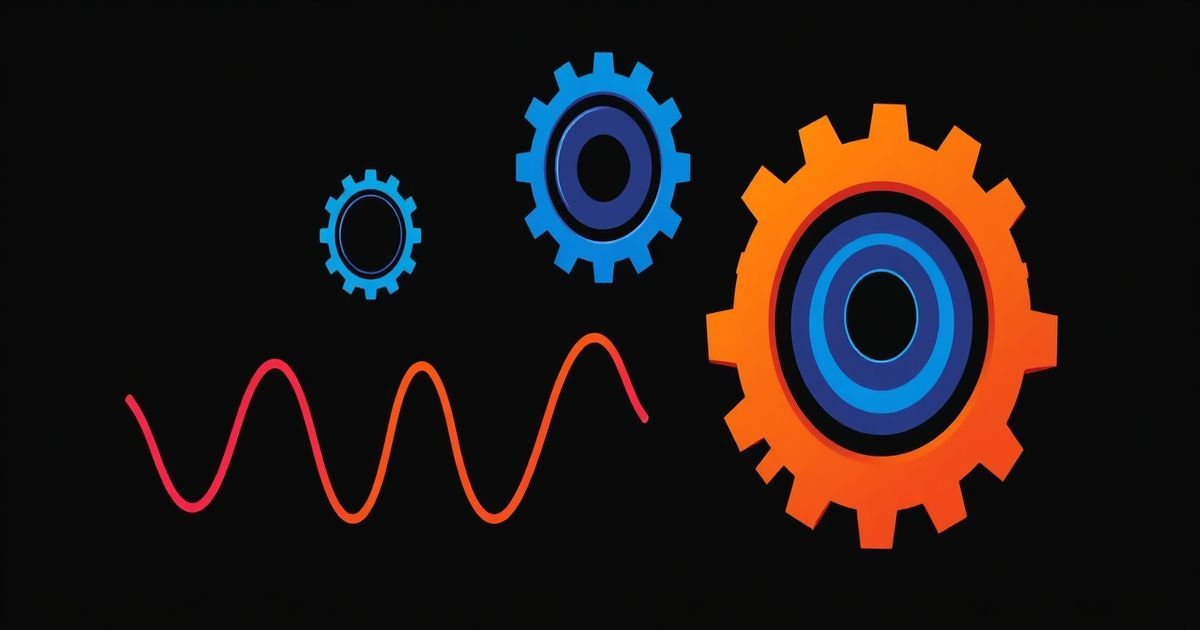
FM (Frequency Modulation) synthesis is based on modulating the frequency of one waveform (the carrier) by another (the modulator). This process can create a wide range of sounds, from simple sine waves to complex textures with a rich harmonic content. Learning FM synthesis isn't just about creating cool sounds; it's about expanding your creative toolkit and pushing the boundaries of what you can produce.
For those looking to dive deep into this fascinating area, Forma by Synthacle offers an excellent starting point with its powerful features designed specifically for FM synthesis. Whether you're a music producer or a sound designer, Forma provides the tools and flexibility needed to explore the full potential of FM.
Understanding the Basics of FM Synthesis
What is FM Synthesis?
FM synthesis was developed by John Chowning in the 1970s at Stanford University. It involves using one oscillator (the modulator) to alter the frequency of another oscillator (the carrier). By varying the parameters, you can create a vast array of sounds, from simple tones to complex and evolving textures.
Key Concepts
- Carrier and Modulator Oscillators: The carrier is the sound that gets shaped by the modulator. The modulator's signal modulates the frequency of the carrier.
- Frequency Modulation Basics: Essentially, you're changing the pitch of one oscillator based on the output of another.
- Math Behind Frequency Modulation: Think of it as a sine wave being controlled by another sine wave, but this control can be dynamic and complex.
How FM Works: A Step-by-Step Breakdown
- Choose Your Carrier and Modulator Frequencies: Start with simple settings to understand the basics.
- Adjust the Index Value: This parameter controls how much modulation is applied to the carrier frequency. Higher index values lead to more complex modulations.
- Experiment with Waveform Choices: Try different waveforms for your modulator and carrier to see how they affect the sound.
Key Parameters to Focus On:
- Index: This setting determines the depth of the modulation. A lower index value will result in subtle changes, while a higher index can create drastic ones.
- Waveform Choice: Different waveforms (sine, square, sawtooth) will give you different harmonic content and character.
- Feedback Loops: These loops allow the output to feed back into the input, creating complex and evolving sounds.
Setting Up Your Environment for FM Synthesis
Choosing a Suitable Software or Hardware Synthesizer
When setting up your environment for FM synthesis, consider both software and hardware options. Virtual synthesizers are often more flexible and offer real-time control over parameters, while physical synthesizers provide tactile feedback that can be crucial during the creative process.
- Virtual vs. Physical Instruments: Virtual instruments like Forma offer extensive parameter control and are perfect for detailed sound design. Physical synths, on the other hand, provide a hands-on experience that can aid in live performance scenarios.
- Pros and Cons:
- Pros of Virtual Synthesizers: Flexibility, ease of use, and integration with DAWs (Digital Audio Workstations).
- Cons of Virtual Synthesizers: Lack of tactile feedback and potential lag issues.
Installing Necessary Plugins and Software
Ensure you have the right software and plugins installed. For Forma, make sure to download it from Synthacle's website and follow their setup instructions for optimal performance.
- Recommended Settings and Configurations: Start with default settings and gradually tweak them as you get more comfortable.
- Managing Your Workspace: Keep your workspace organized by grouping similar parameters together. Use color coding or labels to make it easier to navigate through complex patches.
Practical Setup Guide
Here’s a step-by-step guide on setting up Forma:
- Initial Setup and Configuration Tips: Begin with default presets to get an idea of how the interface works.
- Default Presets and Their Uses: Use these as starting points for your experiments, but don't be afraid to modify them.
Building Your First FM Synth Patch
Creating a Simple FM Patch from Scratch
Let's start by creating a basic FM patch:
- Selecting Carrier and Modulator Frequencies: Start with carrier and modulator frequencies around 440 Hz (A4) for simplicity.
- Adjusting Index Values: Experiment with different index values to see how they affect the sound.
Listening and Adjusting: A Practical Workflow
- Tips on Using Headphones vs. Studio Monitors: Headphones can provide more detail, while monitors offer a broader perspective of the sound in your room.
- Balancing Your Sound: Start with simple settings and gradually add complexity to find the right balance between richness and clarity.
Example Patch Creation
Let's build an evolving pad sound:
- Initial Setup with Basic Parameters:
- Set the carrier frequency to 440 Hz (A4).
- Use a sine wave as both the modulator and carrier.
- Adding Complexity Through Feedback Loops: Introduce some feedback into the modulator loop to create an evolving texture.
Exploring Advanced Techniques in FM Synthesis
Advanced Modulation Strategies
- Using Side-Chains for Dynamic Modulation: Side-chains can be used to trigger specific modulations, creating dynamic and responsive sounds.
- Creating Complex Waveforms: Layering multiple waveforms as both carriers and modulators can create intricate textures.
Understanding and Utilizing Chaos Noise Injection (Mentioning Forma's Capabilities)
Chaos noise injection in FM synthesis can add a lot of interest and unpredictability to your patches. Forma allows you to inject noise into the modulator, creating chaotic and evolving sounds that can be very useful for sound design.
Creative Sound Design
- Crafting a Unique Bassline Using FM Synthesis Techniques: Start with simple sine waves and gradually introduce modulation depths and feedback loops.
- Starting with Simple Sine Waves: Use basic parameters to establish the foundation of your bassline.
- Adding Complexity Through Layering and Modulation: Introduce different waveforms and adjust index values for depth.
Tips for Mastering FM Synthesis
Best Practices for Sound Design and Composition
- Balancing Simplicity and Complexity: Start with simple patches and gradually add layers to create richer sounds.
- Strategies for Avoiding Common Pitfalls:
- Overmodulation and Distortion Prevention: Be mindful of the index values; too high can lead to distortion.
Collaborating with Other Producers: Sharing Knowledge and Ideas
Collaboration is key in music production. Share your patches, ideas, and techniques with other producers to learn from each other's experiences.
Forma as a Tool (Link: Forma)
- How to Leverage Forma’s Features: Utilize its built-in effects and oversampling capabilities for advanced FM synthesis.
- Built-In Effects: Explore the built-in effects like chorus, delay, and reverb to enhance your sounds.
- Oversampling Capabilities: Take advantage of 4x oversampling for clearer and more detailed sound.
Conclusion
In this comprehensive guide, we've covered the basics of FM synthesis, explored advanced techniques, and provided practical tips for mastering it. Whether you're just starting out or looking to expand your skills, learning FM synthesis can open up new creative avenues in your music production journey.
Final Thoughts
Keep experimenting and pushing boundaries with FM synthesis. The key is to keep an open mind and be willing to try new things. Forma by Synthacle offers a powerful toolset for diving deep into this fascinating world of sound design.
If you're ready to explore more, check out Forma today!
Interested in FM synthesis? Try Forma — our cross-feedback FM synthesizer with chaos noise injection.
Discover Forma